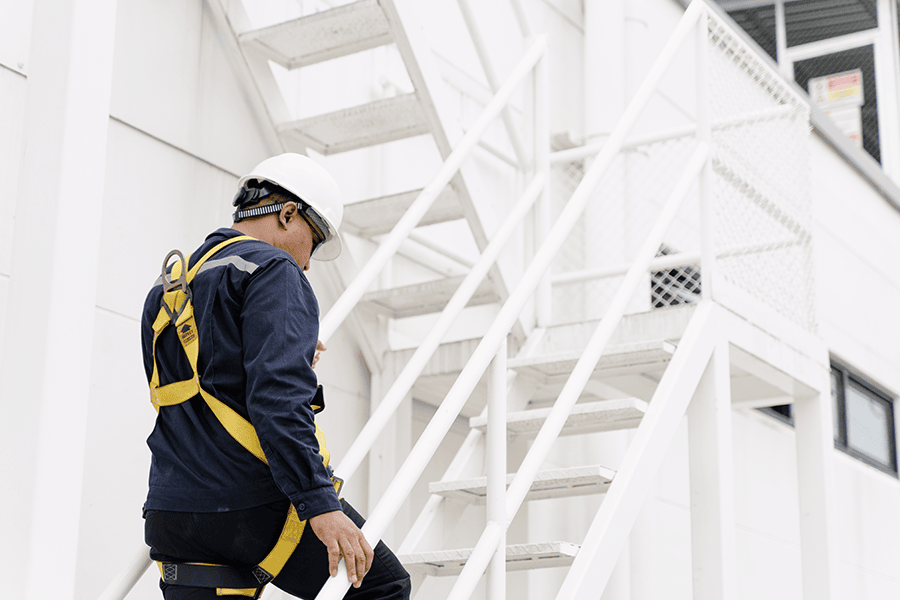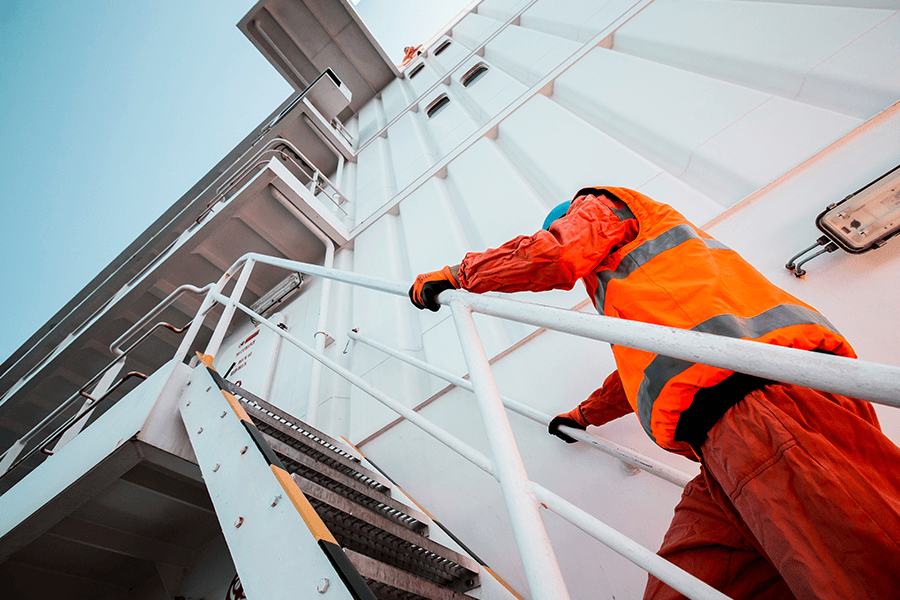

Fire escapes are not just a structural feature in New York City buildings, they are a legal safety requirement that directly impacts the lives of occupants. For both residential and commercial properties, regular inspection is essential to meet regulations set by the New York City Department of Buildings and to ensure the structure remains safe, functional, and ready for emergency use.
In a dense urban environment like NYC, fire escapes are constantly exposed to harsh weather conditions, pollution, moisture, and daily wear. Over time, even a well-built fire escape can develop hidden issues. A missed inspection or delayed maintenance can quickly lead to serious violations, costly repairs, or safety hazards. This guide explains in detail what property owners should check during a fire escape inspection and how to stay compliant while protecting their building and occupants.
At a Glance
- Fire escape inspections are essential for safety and legal compliance in NYC
- Rust, corrosion, and loose components are the most common problems
- Structural stability and ladder functionality must always be checked
- Both residential and commercial property owners are responsible
- Regular inspections help prevent costly emergency repairs and violations
Why Fire Escape Inspection Matters in NYC
Fire escapes play a critical role during emergencies, especially in multi-story buildings where quick evacuation is necessary. In NYC, where buildings are closely packed and fire risks can escalate quickly, fire escapes serve as a primary exit route when internal staircases are not accessible.
The city’s environmental conditions make inspections even more important. Seasonal temperature changes, heavy rain, snow, and humidity can weaken metal over time. The freeze-thaw cycle, common in NYC winters, can expand and contract metal components, leading to cracks, rust formation, and weakened joints.
Regular inspection ensures that small issues like surface rust or loose bolts are identified early. Without inspection, these minor problems can develop into structural failures, putting lives at risk and exposing property owners to legal consequences.
Key Areas to Check During a Fire Escape Inspection
Before starting any inspection, it is important to follow a structured approach. Each part of the fire escape system should be reviewed carefully to ensure full compliance and safety.
1. Rust and Corrosion
Rust is one of the most common issues found in NYC fire escapes due to constant exposure to moisture and air pollutants. While surface rust may seem minor, it can quickly spread and weaken the metal.
During inspection, check for:
- Flaking or bubbling paint, which often indicates underlying rust
- Deep corrosion around joints, bolts, and weld points
- Areas where metal appears thin or brittle
If corrosion is left untreated, it can compromise the structural integrity of the entire fire escape. Early treatment, including cleaning and repainting, can prevent long-term damage.
2. Structural Stability
The overall strength and stability of the fire escape must be evaluated thoroughly. Even slight movement can indicate serious underlying issues.
Inspect:
- Platforms for bending, sagging, or uneven surfaces
- Support brackets that connect the fire escape to the building
- Any visible cracks or deformation in metal components
A stable fire escape should feel solid under weight. Any instability requires immediate professional inspection and repair.
3. Railings and Guardrails
Railings provide safety during use, especially in emergency situations when occupants may be panicked or moving quickly.
Check for:
- Loose, shaky, or detached railings
- Broken welds or missing sections
- Incorrect height or alignment that does not meet safety standards
Weak or damaged railings increase the risk of falls and can result in serious liability issues for property owners.
4. Ladders and Drop Mechanisms
Fire escape ladders must operate smoothly and without obstruction. In an emergency, there is no time to deal with malfunctioning components.
Inspect:
- Ladder release mechanisms to ensure they function properly
- Alignment of ladder rungs and overall structure
- Ease of extension and retraction
A ladder that is stuck, bent, or difficult to deploy can delay evacuation and create dangerous situations.
5. Connections and Fasteners
Connections are the backbone of the fire escape system. Bolts, anchors, and welds keep everything securely attached.
During inspection, check:
- Loose or missing bolts
- Weak or cracked weld joints
- Anchoring points where the fire escape connects to the building facade
Failure in these areas can lead to partial or complete collapse, making this one of the most critical inspection points.
6. Paint and Protective Coating
Paint serves as a protective barrier against moisture and corrosion. A properly coated fire escape lasts longer and requires fewer repairs.
Look for:
- Peeling, chipped, or faded paint
- Exposed metal surfaces
- Areas where coating is uneven or missing
Regular repainting not only improves appearance but also extends the lifespan of the structure.
7. Obstructions and Accessibility
A fire escape is only useful if it is easily accessible at all times. Blocked or restricted access defeats its purpose.
Ensure:
- Platforms are free from debris, storage items, or furniture
- Windows and doors leading to the fire escape open properly
- There are no barriers preventing quick exit
Accessibility issues are one of the most common reasons for violations in NYC buildings.
How Often Should Fire Escapes Be Inspected?
While NYC does not always define a single fixed schedule for all buildings, property owners are expected to maintain fire escapes in safe working condition at all times. This means inspections should be done regularly, not just when problems appear.
Routine visual checks can be performed periodically, while professional inspections should be conducted based on the building’s age, condition, and exposure to environmental factors. Older buildings or those located in high-moisture areas may require more frequent inspections.
Consistent monitoring helps reduce long-term repair costs and ensures the structure remains compliant with city regulations.
Common Issues Found During NYC Fire Escape Inspections
Professional inspections in NYC often reveal recurring issues that property owners should be aware of:
- Advanced rust due to lack of maintenance
- Loose anchoring to the building facade
- Poor-quality repairs that do not meet compliance standards
- Ladders that fail to deploy correctly
- Missing or damaged safety components
Understanding these common problems helps property owners stay proactive and avoid repeated violations.
When to Call a Professional Inspector
Basic visual checks can help identify obvious problems, but they are not enough for full safety compliance. A licensed professional should handle detailed inspections.
You should call an expert if:
- There is visible rust or corrosion spreading across the structure
- The fire escape feels unstable or moves under weight
- The building has received a violation notice
- The fire escape has not been inspected for a long period
A professional inspection ensures that all issues are identified and addressed according to New York City Department of Buildings standards.
Final Thoughts
Fire escape inspection in NYC is not just about maintaining a structure, it is about protecting lives, meeting legal requirements, and preserving property value. A well-maintained fire escape ensures that occupants have a safe exit during emergencies and that the building remains compliant with city regulations.
Property owners who prioritize regular inspections and timely repairs avoid unexpected costs, violations, and safety risks. Staying proactive with maintenance is the most effective way to ensure long-term reliability for both residential and commercial buildings.
FAQs
What does a fire escape inspection include in NYC?
A fire escape inspection includes checking structural stability, rust, ladders, railings, and all connection points. It also ensures the system is safe, accessible, and compliant with NYC standards.
How do I know if my fire escape is unsafe?
Common signs include rust, loose railings, unstable platforms, and ladders that do not function properly. Any visible damage should be inspected immediately.
Are fire escape inspections mandatory in NYC?
Yes, property owners are responsible for maintaining fire escapes in safe condition under NYC building regulations.
How much does a fire escape inspection cost in NYC?
Costs vary depending on the building size and condition. However, regular inspections are always more cost-effective than emergency repairs.
Can I inspect my fire escape myself?
You can perform basic visual checks, but professional inspections are recommended to ensure complete safety and compliance.
What happens if I ignore fire escape maintenance?
Ignoring maintenance can lead to violations, fines, and serious safety risks. It also increases the chances of structural failure during emergencies.