
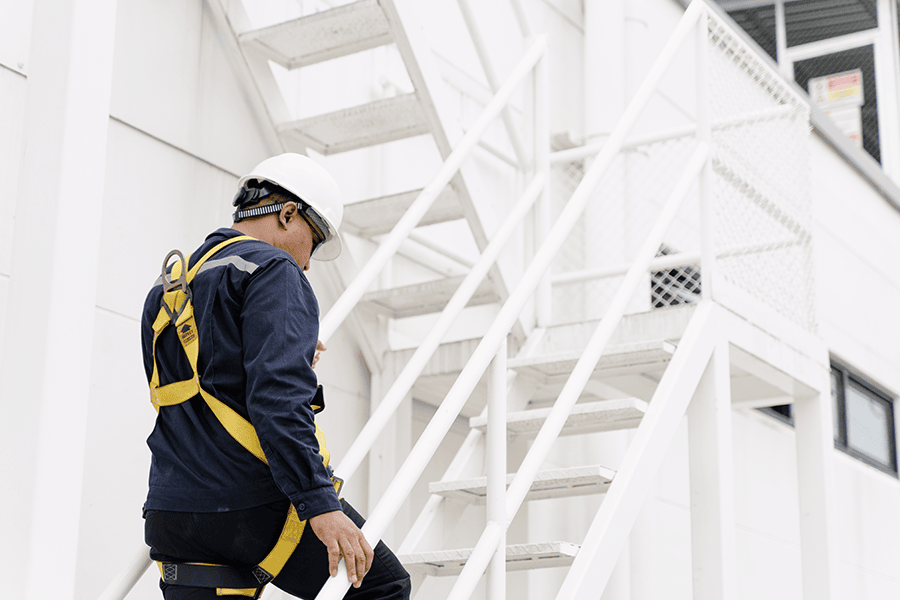
Fire escapes are not just a structural element on a building façade, they are a legally required life-safety system in New York City. In emergencies like fires, smoke events, or internal system failures, these exterior escape routes often become the only accessible path for occupants to exit safely.
Because of this, regular maintenance is not optional. Property owners across residential and commercial buildings are responsible for ensuring that fire escapes remain safe, functional, and compliant with regulations enforced by the New York City Department of Buildings. Ignoring maintenance can lead to serious safety risks, violations, and costly repairs.
At a Glance
- Fire escapes are critical emergency exit systems in NYC
- Exposure to weather causes rust, corrosion, and structural weakening
- Regular maintenance helps avoid violations and penalties
- Early repairs reduce long-term structural costs
- Proper upkeep protects both occupants and property value
Fire Escapes in NYC: Why They Require Ongoing Maintenance
Unlike interior staircases, fire escapes in NYC buildings are fully exposed to harsh environmental conditions. From heavy rain to snow and freeze-thaw cycles, metal components expand, contract, and gradually weaken over time.
This constant exposure leads to issues like rust formation, loose connections, and weakened weld points. Without routine inspections and maintenance, these small issues can quickly turn into structural hazards that compromise safety during emergencies.
In a dense urban environment like NYC, where buildings are closely spaced and evacuation routes can be limited, a failed fire escape is not just a maintenance issue, it is a major safety concern.
Key Risks of Neglecting Fire Escape Maintenance
Ignoring regular upkeep can lead to serious safety, legal, and structural issues that directly impact both occupants and property owners.
Structural Weakness and Collapse Risk
Over time, corrosion eats away at metal components. If left untreated, stairs, platforms, or railings can lose their load-bearing capacity, increasing the risk of collapse when used during emergencies.
Unsafe Access During Emergencies
Blocked pathways, loose steps, or damaged ladders can make fire escapes difficult or impossible to use when needed most. Even minor defects can slow evacuation.
Increased Liability for Property Owners
If an accident occurs due to poor maintenance, property owners can face serious legal consequences. Liability claims often arise when negligence is proven.
Rapid Damage Escalation
Small issues like surface rust or loose bolts can spread quickly. What starts as a minor repair can turn into a full replacement project if ignored.
NYC Compliance and Inspection Requirements
Fire escape maintenance is closely tied to city regulations. The New York City Department of Buildings requires that all fire escapes remain in safe working condition at all times.
In addition, buildings subject to façade inspections under Local Law 11 must ensure that exterior elements, including fire escapes, do not pose a hazard to occupants or pedestrians.
Failure to comply can result in:
- DOB violations
- Fines and penalties
- Mandatory repair orders
- Potential building occupancy issues
Regular maintenance helps property owners stay compliant and avoid enforcement actions.
How Regular Maintenance Prevents Major Repairs
Routine fire escape maintenance allows contractors to identify early-stage issues before they become serious structural problems.
For example, treating surface rust early can prevent deep corrosion that weakens the steel. Tightening loose bolts or repairing minor weld cracks can stop larger structural failures from developing.
This proactive approach significantly reduces long-term repair costs and extends the lifespan of the fire escape system.
Safety Benefits for Residential and Commercial Buildings
Fire escape maintenance directly impacts the safety of both tenants and visitors.
In residential buildings, families rely on these systems during emergencies when internal exits are blocked. In commercial properties, fire escapes support safe evacuation for employees, customers, and staff.
Well-maintained fire escapes:
- Provide reliable emergency exit routes
- Support faster and safer evacuations
- Reduce panic during emergency situations
- Improve overall building safety standards
Impact on Property Value and Insurance
Maintained fire escapes contribute to a building’s overall condition and perception in the market. Buyers, tenants, and inspectors often assess visible exterior structures when evaluating a property.
Neglected fire escapes can signal poor maintenance, which may:
- Lower property value
- Increase insurance premiums
- Create issues during property inspections or sales
On the other hand, properly maintained systems help maintain trust and long-term investment value.
Signs Your Fire Escape Needs Immediate Maintenance
Recognizing early warning signs can help prevent costly damage and safety risks.
- Visible rust or flaking metal surfaces
- Loose or unstable steps and railings
- Cracks in weld joints or support brackets
- Water pooling on platforms
- Difficulty opening or lowering ladders
If any of these issues are present, maintenance should not be delayed.
Best Practices for Fire Escape Maintenance in NYC
Regular maintenance is not just about fixing problems, it is about creating a structured plan for ongoing safety.
Property owners should:
- Schedule periodic inspections by qualified contractors
- Remove debris and obstructions from fire escape paths
- Apply anti-corrosion coatings and repaint when needed
- Repair minor damage immediately
- Keep records of inspections and repairs for compliance
Consistent maintenance ensures that fire escapes remain ready for use at all times.
Final Thoughts
Fire escapes play a critical role in protecting lives in NYC buildings. Regular maintenance ensures that these systems remain safe, reliable, and compliant with city regulations.
Delaying maintenance increases risks, costs, and legal exposure. On the other hand, proactive care helps property owners avoid violations, extend the lifespan of their structures, and maintain a safe environment for occupants.
In a city like NYC, where safety standards are strict and building conditions constantly change, keeping fire escapes in proper condition is not just good practice, it is a responsibility.
FAQs
How often should fire escapes be maintained in NYC?
Fire escapes should be inspected at least once a year, but maintenance frequency depends on exposure and building condition. In NYC, regular checks are important due to weather impact and strict safety expectations.
Is fire escape maintenance required by law in NYC?
Yes, property owners are legally responsible for keeping fire escapes in safe working condition under New York City Department of Buildings regulations. Any unsafe condition can lead to violations and penalties.
What happens if a fire escape is not maintained properly?
Neglected fire escapes can lead to structural failure, safety risks during emergencies, and legal liability. The city may also issue fines or require immediate repairs.
What are the most common fire escape issues in NYC buildings?
The most common problems include rust, loose railings, damaged welds, unstable steps, and blocked access points. These issues develop faster due to NYC’s weather conditions.
Do fire escapes need to be inspected during Local Law 11?
Yes, during façade inspections, exterior elements like fire escapes are checked to ensure they do not pose a risk to the public or building occupants.
Can fire escape maintenance help avoid expensive repairs?
Yes, regular maintenance helps identify small issues early. Fixing minor problems like surface rust or loose components can prevent major structural repairs later.
Are fire escape services different for residential and commercial buildings?
The core maintenance process is similar, but commercial buildings may require more frequent inspections due to higher occupancy and usage.
When should I call a fire escape maintenance contractor in NYC?
You should call a contractor immediately if you notice rust, instability, loose parts, or any visible damage. Regular scheduled maintenance is also recommended to stay compliant.